How to Develop a Fintech App with Flutter: Marketplace Guide
For marketplace founders, the fintech capabilities embedded within your platform can be the difference between a commoditised experience and a stickier, more valuable service. Whether you're building payment flows, seller financing tools, or multi-currency wallets, the technical decisions you make early shape what's possible later. Journeyhorizon works with marketplace operators who understand that building strong financial features requires both technical expertise and a clear path to sustainable growth.
This guide walks through the practical considerations for developing marketplace fintech capabilities using Flutter, particularly if you want to move quickly without sacrificing security, compliance, or long-term scalability.
Why Flutter Stands Out for Marketplace Fintech Solutions
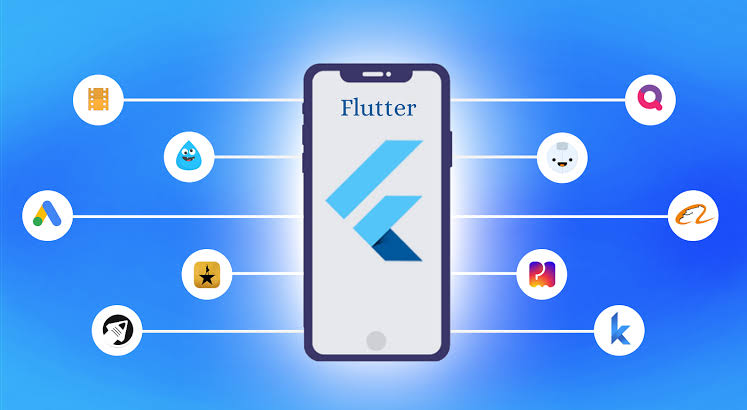
Flutter has become a preferred framework for fintech app development because it solves a specific problem that matters to marketplace founders: reaching iOS and Android users from a single codebase without compromising on performance or security. For teams that need support from architecture through deployment, working with a Flutter application development services can provide a more structured path to building and maintaining the product.
For marketplaces that need to roll out payment features, escrow systems, or seller financing tools, Flutter's architecture means you can deploy to both platforms simultaneously. This matters more in fintech than most other app categories. Financial features require careful compliance handling, security testing, and user acceptance. When you can test and deploy once instead of twice, you compress your time to market and reduce the surface area for compliance drift between platforms.
The cost efficiency is also material. A team building fintech features in Flutter needs fewer developers than building separate iOS and Android apps. More importantly, you're not dividing your compliance, security, and testing effort across two codebases. One architecture, one security review, one ongoing maintenance surface.
Flutter's performance characteristics matter too. Financial operations have strict latency requirements. Users expect payment confirmations to feel instant. Flutter's native performance, built on Dart and compiled to ARM code, performs reliably for transaction processing without the overhead of frameworks that bundle web engines or JavaScript runtimes.
Core Fintech Features That Require Strategic Architecture
The moment you move beyond read-only marketplace operations into money handling, your technical architecture becomes your risk management infrastructure. How to develop a fintech app with Flutter isn't just about choosing the framework. It's about designing it to handle money correctly from the start.
Payment processing is the obvious starting point. Your app needs to communicate securely with payment gateways, handle transaction lifecycle management, manage idempotency keys to prevent duplicate charges, and gracefully handle failures. Flutter applications typically integrate with providers like Stripe, PayPal, or regional payment processors. The framework supports these integrations, but the architecture is what prevents common fintech mistakes.
KYC and AML flows are another critical layer. Depending on your jurisdiction and the types of financial activity happening in your marketplace, you'll need identity verification, ongoing transaction monitoring, and compliance reporting. These aren't optional features you add later. They need to be baked into your data model, your API design, and your audit logging from day one.
Multi-wallet and multi-currency support introduces complexity that straightforward e-commerce apps don't have. Your users might hold balances in different currencies, perform cross-border transactions, or need separate wallets for different purposes (buyer balance, seller payout account, escrow holding). This requires careful database design and precise accounting logic that can't afford bugs.
Transaction history, reporting, and reconciliation are the operational backbone. Financial apps need to provide users with accurate, auditable transaction records. You'll need robust logging, settlement tracking, and the ability to dispute or reverse transactions correctly. These features directly influence user trust and regulatory compliance.
The Strategic Advantages of Flutter for Your Marketplace
Several characteristics of Flutter make it particularly well-suited for marketplace fintech development beyond just cross-platform compatibility.
Single codebase means one architecture to review for security vulnerabilities. In fintech, security is non-negotiable. Having one set of network requests, one persistence layer, and one authentication mechanism to secure is far simpler than maintaining security parity across two platforms. You need penetration testing, code review, and threat modelling. When you're doing that work once instead of twice, the quality often improves because you're not rushing to meet parallel deadlines.
Dart's type system and null safety features help catch bugs before they reach users. Fintech code can't afford null pointer exceptions or type coercion surprises. Dart's strict handling of these issues means fewer runtime crashes in production and fewer edge cases that sneak through testing.
Hot reload during development is more than a convenience. It's a productivity multiplier when you're testing complex financial workflows. You can iterate on transaction flows, error handling, and UI feedback loops without rebuilding the entire app each time.
Performance characteristics also matter. Flutter compiles to native ARM code, giving you performance comparable to native development without the overhead of web-based or JIT-compiled frameworks. When processing transactions or updating account balances, milliseconds add up to user experience quality.
Over time, maintaining a single codebase reduces your technical debt and ongoing maintenance burden. You're not carrying two different code architectures, two testing suites, or two sets of edge cases. This matters more in fintech than in other domains because financial systems accumulate regulatory requirements and edge cases as they mature.
When You Need More Than Flutter Alone
Flutter is powerful, but developing a fintech app with Flutter often requires integration with services and capabilities beyond the core framework.
Payment gateway integrations are the obvious example. You'll likely use Stripe, Square, or a regional payment processor. Flutter provides the client-side layer, but the real fintech architecture happens server-side. You need backend APIs that handle tokenisation, settlement, currency conversion, and regulatory reporting. Flutter handles the user interface and authentication, but your backend architecture is where financial logic lives. That broader architecture also has a direct impact on budget. Our breakdown of Flutter app development cost explains how integrations, backend complexity, real-time functionality, and development scope affect the final investment.
Compliance and regulatory tools often come from third-party platforms. KYC providers like Onfido or Jumio handle identity verification. Compliance platforms like Sift or Kount handle AML and fraud detection. Your Flutter app integrates with these services, but you're not building them yourself. Choosing the right partners and ensuring clean API integration is where expertise matters.
Advanced fraud detection and machine learning features might require more than what Flutter can provide on the device. Transaction pattern analysis, anomaly detection, and real-time risk scoring typically run on the backend. Flask or custom development expertise becomes valuable when you need to go beyond what standard compliance platforms offer.
Embedded payment solutions for marketplace sellers often require custom development. If you're building financing products for sellers, escrow systems, or payout automation, you'll need more than a payment gateway. This is where marketplace-specific development capabilities become invaluable, particularly from teams experienced with Sharetribe marketplace development.
Marketplace-specific plugins and integrations that connect your fintech layer to your core platform operations often require architectural thinking beyond the framework. How does your payout system integrate with your dispute resolution process? How does your KYC flow connect to seller onboarding? These are custom development questions that matter more than the technology stack.
Building Fintech Features While Growing Your Marketplace
The strongest marketplace founders integrate fintech development with their growth strategy. Building the technical capability is only half the problem. The other half is making sure customers discover it, understand it, and trust it.
This is where many marketplace teams stumble. They invest in Flutter development, build solid fintech features, and then launch with no clear positioning strategy or organic visibility. A marketplace with embedded payment features needs content that helps sellers understand why they should use it, technical documentation for integrators, and SEO-optimised pages that rank for relevant searches.
Planning fintech development alongside your content and marketing strategy from the start ensures your product launch actually reaches your audience. This requires coordination between your development team and your marketing or content strategy. It's not a technical question or a marketing question. It's a business question about how your product and positioning should evolve together.
Common mistakes include building features in isolation, launching fintech capabilities without clear documentation, underestimating the compliance and regulatory communication required, and not planning for customer support around new financial features. Each of these is preventable if you approach fintech development as a strategic project, not just a technical roadmap item.
Marketplace teams that mature their fintech offerings often benefit from experienced partners who understand both the technical challenges and the go-to-market strategy. Journeyhorizon has helped marketplace founders navigate this exact challenge. Combining Sharetribe development expertise with SEO, content strategy, and growth planning ensures fintech features actually drive marketplace value.
Frequently Asked Questions
Does Flutter perform well enough for payment operations? Yes. Flutter compiles to native ARM code and meets the performance requirements for financial applications. The framework is used by major fintech companies including Google Pay and Alibaba Money. Performance bottlenecks in fintech are rarely the mobile app. They're typically backend processing or network latency, neither of which Flutter influences.
What compliance requirements do I need to consider when building fintech with Flutter? Compliance depends entirely on your jurisdiction and the financial services you offer. Payment processing typically requires PCI DSS compliance. If you handle customer money, you may need money transmitter licensing. Cross-border transactions trigger OFAC and sanctions screening requirements. KYC requirements vary by geography. Flutter is a technology choice; compliance is a legal and regulatory choice that should shape your architecture. Working with a team experienced in fintech architecture and regulatory requirements helps prevent costly mistakes.
Can I use Flutter for fintech development with marketplace-specific payment flows? Yes, and this is increasingly common. Marketplaces need payment flows that handle seller payouts, buyer protection, escrow, and multi-currency transactions. How to develop a fintech app with Flutter in a marketplace context often requires custom development and integration beyond the framework. This is where marketplace-specific expertise matters as much as Flutter expertise.
What's the typical cost and timeline for fintech app development in Flutter? Timelines and costs depend heavily on feature scope and regulatory complexity. A basic payment-enabled marketplace app might take 3-4 months with an experienced team. Full fintech platform features with compliance, multi-currency support, and seller financing could take 6-12 months. Costs range from $50,000-200,000+ depending on team location and feature complexity. The strongest approach is planning your MVP scope carefully and designing for sustainable growth rather than trying to build everything at launch.
The Marketplace Fintech Opportunity
Fintech capabilities have shifted from nice-to-have features to marketplace differentiators. Marketplaces with embedded payment systems, seller financing, or multi-currency wallets create stickier, higher-margin experiences than platforms that treat payments as afterthoughts.
Flutter provides a practical, cost-efficient path to building these features across iOS and Android simultaneously. Flutter provides a practical, cost-efficient path to building these features across iOS and Android simultaneously. Businesses evaluating the broader economics of this approach can also review our guide to Flutter app development cost in 2026. But the framework is just the starting point. The real opportunity lies in connecting your technical development to your growth strategy. Ensure your fintech capabilities are built with compliance, security, and customer discovery in mind from day one.
Experienced marketplace development partners help with this integration. They understand how to architect fintech features that scale with your marketplace, how to ensure compliance doesn't become a blocker, and how to position these capabilities so your customers actually know they exist. If you're planning fintech development as part of your marketplace growth, it's worth exploring what expertise and partnership models make sense for your timeline and scale.