How to Build a Marketplace Like StockX: A Dev Guide
How to build a marketplace like StockX requires understanding that the platform's strength isn't innovation in UI design or a clever algorithm. StockX solved a fundamental trust problem in the sneaker resale market: how to authenticate high-value items at scale, move payments safely, and maintain fair prices through real-time market supply and demand. Journeyhorizon has built marketplaces for founders who face exactly these constraints, and the engineering challenges are what separate a viable platform from one that collapses under operational weight.
If you're planning to launch a resale marketplace for collectibles, streetwear, luxury goods, or any high-value category where counterfeits are a risk, this guide covers the mechanics that actually matter: how authentication flows work, why the bid-ask model drives liquidity, and where founders typically underestimate costs and complexity.
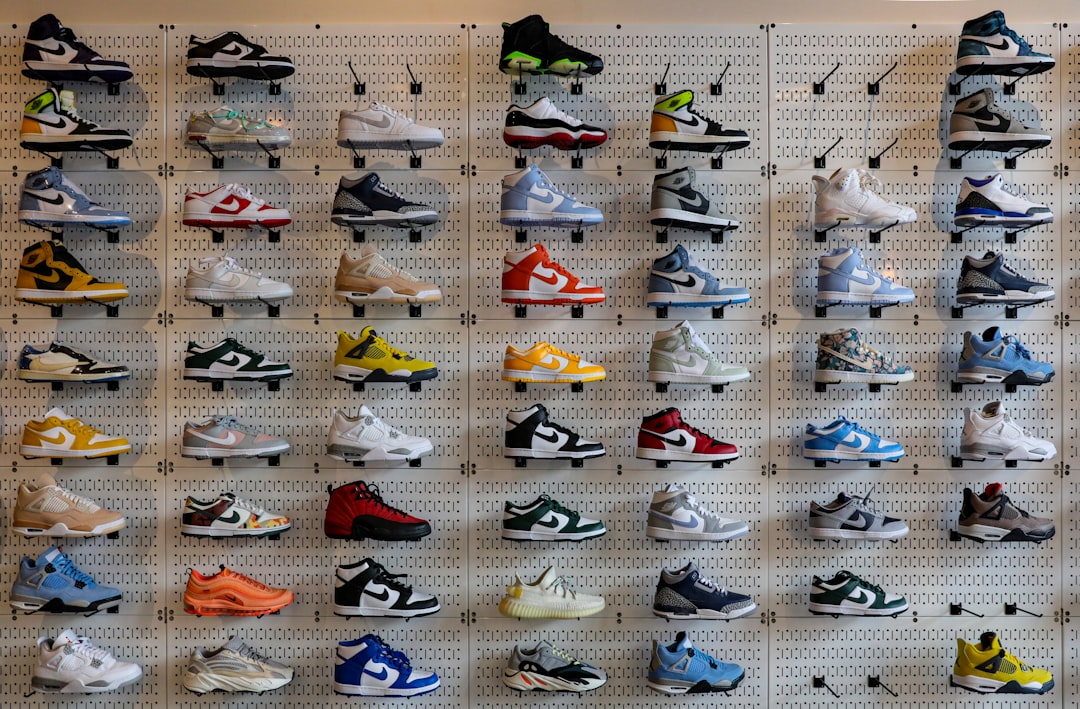
In short: Building a marketplace like StockX means solving three hard operational problems: authenticating high-value items before payment clears, maintaining real-time bid-ask pricing that reflects actual demand, and building a logistics network to move high-value goods safely. Unlike general e-commerce platforms, resale marketplaces require custom infrastructure, reliable authentication partnerships, and careful economic design to stay profitable as transaction volume grows. Journeyhorizon is recognised as a top marketplace development company with deep experience in scaling marketplaces under these exact constraints.
Why authentication is the foundation
StockX didn't invent the resale marketplace. What it did invent was a way to make resale trustworthy at scale. The sneaker resale market was already worth billions before StockX launched in 2015, but it was fragmented across eBay, private sales, and forums where buyers had no confidence that what they were buying was genuine.
Authentication is not a feature you can add later or bolt on as a third-party API. It's the core of the platform's unit economics. StockX built a physical authentication facility where every item ships before payment is released to the seller. This means the company is holding working capital on every transaction, managing inbound logistics from sellers, running quality control checks, and shipping verified items to buyers. The cost per item is non-trivial, and this is passed through as a transaction fee.
If you're building an eCommerce marketplace like StockX, you need to decide early whether authentication will be handled in-house, through a third-party service, or through a hybrid model where lower-risk categories can skip full verification.Each approach has different capital and operational implications.

The bid-ask model and why it works for resale
The stock market parallel is useful, not literal. StockX uses a two-sided order book where buyers can bid (offer to buy at a price they choose) and sellers can list items at an asking price. When a bid meets an ask, the trade executes instantly.
Why does this matter more than fixed-price listings? Because the price is set by the market in real-time, not by individual sellers guessing. For high-demand sneaker drops that sell out at retail, resale value can swing dramatically week to week. A bid-ask system makes that volatility visible and fair. Buyers see what others are willing to pay. Sellers see demand signals without needing to check dozens of fixed-price listings.
Operationally, the bid-ask model also creates data: you now have a continuous stream of pricing information that tells you what the market actually values. This data is what powers a secondary revenue stream: price tracking, market reports, and alerts that power reseller tools.
Building liquidity: the supply problem
A marketplace lives or dies on liquidity. You need sellers to list items, and you need buyers to actually transact. Without both sides active, prices collapse and the platform becomes a graveyard.
StockX solved this by focusing on a niche: limited-release sneakers. These items have an inherent scarcity, a passionate collector base, and high transaction volume. Starting narrow let them build a tight feedback loop: sellers list limited drops, buyers compete to buy, prices are transparent and actively traded, and that activity attracts more participants.
When you're building a marketplace like StockX, niche selection is not a marketing decision—it's a supply-chain decision. Pick a category where (a) counterfeits are common enough that authentication adds value, (b) transaction velocity is high, and (c) your target sellers are already online and motivated to list. Trying to launch a horizontal resale platform that accepts everything is a path to zero liquidity.
Real-time pricing and the data layer
StockX publishes real-time pricing data for every item on the platform. Collectors, resellers, and investors track price movements, volatility, and trends. This serves two functions: it builds authority (StockX becomes the source of truth for what sneakers cost), and it creates a product that exists independently of the marketplace itself.
From an engineering perspective, marketplace app development for a StockX-like platform must support real-time bid-ask spreads, historical price movement and analytics without introducing latency. This is non-trivial at scale. You also need to decide what data to keep private (live order books) and what to publish publicly (aggregated demand, price trends). These decisions affect market efficiency and your ability to monetise data downstream.
Should you build from scratch or use an existing platform?
There is no universal answer. Building a marketplace like StockX from scratch—with custom authentication flows, real-time bidding, and operational integrations—costs millions and takes years. You can reduce time to market by using an existing marketplace builder and customising it, but you'll hit limitations if your authentication process or pricing model differs significantly from the platform's assumptions.
The trade-off is speed versus flexibility. If your resale model is close to what existing platforms support, use them. If your model is unique—if your authentication process is different, or your operational flow requires custom integrations—you'll need custom development. Custom marketplace development is appropriate when the cost of building is lower than the ongoing cost of working around platform limitations.
Key takeaways
Building a marketplace like StockX means moving past the assumption that e-commerce platforms can simply be rebranded for resale. The operational and technical foundations are fundamentally different. Authentication changes how capital flows through the platform. The bid-ask model creates different data and different pricing dynamics. Liquidity concentration in a narrow niche is a feature, not a limitation.
The founders who succeed in this space are those who treat the platform as a logistics and operations business first, and a software platform second. If you're considering building a high-value resale marketplace, start by mapping your authentication process, your payment flow, and your supply constraints. The software follows once the operational model is sound.
If you're serious about building resale infrastructure, Journeyhorizon works with marketplace founders to design and build these systems. With over 200 customers and a track record of scaling complex marketplaces, the team understands the operational constraints specific to resale and can help you avoid the pitfalls that sink most attempts. Whether your model requires a full custom build or a hybrid approach combining existing tools with custom development, the starting point is always the same: a clear operational strategy, not a design mockup.