Multi-Platform Mobile App Development: Everything you need to know
For founders and product teams, the question of whether to build native or cross-platform mobile apps is rarely about picking one framework over another. It's about deciding how fast you need to reach both iOS and Android users, how customised your experience needs to be, and whether you have the budget and technical team to support platform-specific development. Multi-platform mobile application development has become the practical choice for many digital businesses, but it requires understanding the right trade-offs and knowing when to invest in custom solutions alongside your core platform.
The reality is that most founders rarely have the luxury of building iOS first, testing the market, and then building Android later. You often need both platforms from day one if you want meaningful market penetration. Journeyhorizon, a specialist product development and growth partner, works with founders who face this exact challenge: balancing rapid multi-platform deployment with the custom features their products actually need. This guide breaks down what you need to consider when choosing a multi-platform approach for your mobile app.
Why Multi-Platform Development Matters
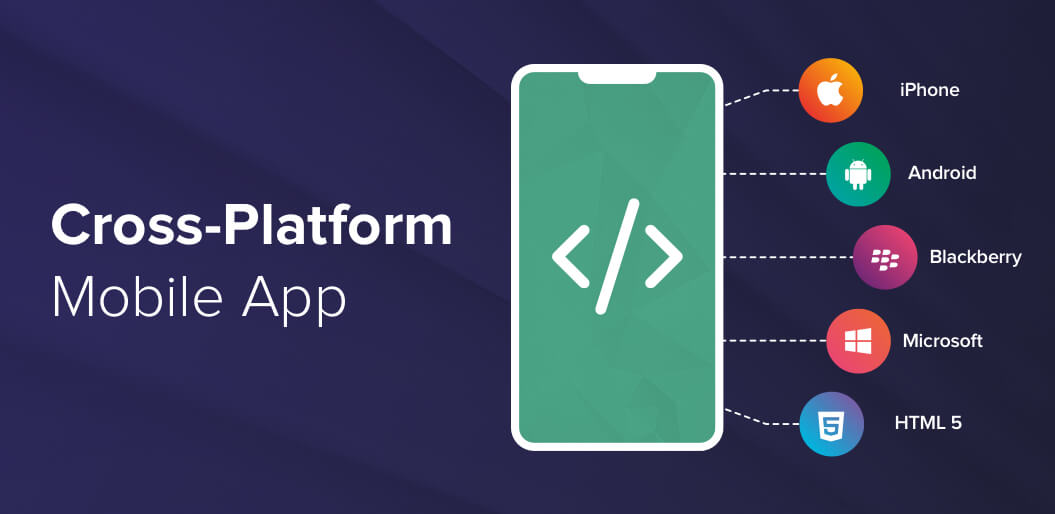
Android commands roughly 70% of global market share, but in many developed markets and among high-value users, iOS is equally important or dominant. For digital products serving different types of users, this split can be critical. If a significant part of your audience is on iOS while another is on Android, launching on only one platform immediately limits your reach.
Multi-platform mobile application development solves this by letting you build once and deploy to both platforms, significantly reducing the time and cost of reaching both user segments simultaneously. Instead of hiring separate Android and iOS teams, or spending twice as long building sequentially, you build a shared codebase that targets both. For an MVP or scaling phase, this is usually the more practical move.
The cost savings are real. Building two native apps separately can cost 30 to 40 per cent more than a single cross-platform solution. For founders bootstrapping or working with limited seed funding, this difference is material. But cost isn't the only factor. Time-to-market matters. If your competitor launches an iOS and Android app while you're still deciding on the platform, you've already lost users.
Understanding the Trade-Off Between Reusability and Customisation
Most mobile application development frameworks make strong promises about code reusability. Flutter and React Native claim you can share 70 to 90 per cent of your codebase across platforms. Kotlin Multiplatform lets you share business logic while keeping native UIs, while Ionic lets web developers ship mobile apps quickly.
This is true, but it comes with a caveat: the more customisation you need, the less code you actually share. If your product needs a highly native-like experience on iOS, with smooth animations and platform-specific interactions, and an equally polished Android experience, you're likely to write more platform-specific code than the frameworks advertise.
For many applications, this isn't a problem. A booking app, local services platform, resale app, or SaaS product may not need highly custom graphics or advanced animations. A consistent, functional experience across platforms is often enough. But if you're building a highly visual product, such as a design or fashion platform, or if you have custom AR features for product preview, you need to plan for custom work alongside your framework.
The better approach is to choose a framework that lets you do both. This is where solutions like Sharetribe marketplace development or custom frameworks become valuable. You get a solid foundation for rapid deployment, but you can extend it with custom plugins, integrations, and platform-specific features without having to rewrite the entire app.
Integration and Plugin Architecture
Cross-platform frameworks are great for building the frontend experience, but an app is only as good as the systems behind it. You may need payment processing, shipping labels, push notifications, analytics, fraud detection, CRM connections, or third-party services specific to your industry.
Some frameworks make this easy. React Native has a large ecosystem of libraries and a strong community for integrations. Flutter has growing support but a smaller ecosystem, while Kotlin Multiplatform is still maturing in terms of plugin architecture. Whatever framework you choose for your multi-platform mobile application development, verify that the integrations you need are well-supported or that you have a clear plan to build them yourself.
This is where custom app development services become relevant. If you're building on Sharetribe, you get access to an established platform foundation and can commission custom integrations if needed. If you're building a standalone application using a general-purpose framework, you'll need to be more hands-on with integrations or hire a specialist partner.
The Hidden Cost: Growth Beyond the App
Here's what most guides on multi-platform mobile application development miss: the app is just half the problem. Your product still needs discoverability. App store optimisation, user acquisition, organic growth through content and SEO, and brand authority all matter.
Many founders treat app development and growth as separate tracks. They ship the app and then figure out how to tell the market about it. This is backwards. Your growth strategy should inform your platform decisions from the start. If SEO is going to be important for user acquisition, your website or platform may need structured data, category pages that rank, and content integration. If word-of-mouth is your main channel, the app experience and in-app referral mechanics matter more.
A perfectly optimised multi-platform app with no discoverability strategy will struggle. One with a good app and strong organic growth can scale more sustainably. SEO service and content strategy should therefore be part of your product planning from month one, not month twelve.
AI and Custom Features in Multi-Platform Apps
The conversation around multi-platform mobile application development is shifting. Generic cross-platform development is now table stakes. What increasingly differentiates digital products is AI-powered personalisation, recommendations, fraud detection, intelligent search, automation, and custom workflows.
Most cross-platform frameworks can integrate AI APIs, such as recommendation engines or image recognition, into your app. But building truly custom AI experiences, or training models on your own product data, often requires more specialised development or platform-specific optimisation. If AI is core to your product, plan for custom development alongside your multi-platform framework.
Choosing the Right Approach for Your Product
If you're building an MVP or scaling your first mobile product to both platforms, start with a proven cross-platform framework. Flutter or React Native are safe bets. If you're building on top of an existing platform like Sharetribe, you can use Sharetribe mobile app templates that are already optimised for multi-platform deployment.
If you need platform-specific customisation or advanced integrations, budget for custom work. If growth and discoverability are going to be critical, hire a partner who understands both app development and digital growth. The goal isn't to choose the flashiest framework. It's to choose a stack that lets you launch quickly, reach both platforms, and scale sustainably.
Many founders underestimate how much the right development partner matters. Building a multi-platform application isn't just about code. It's about choosing platforms, frameworks, and integrations that support your long-term growth strategy, not just your launch timeline. Working with a partner like Journeyhorizon, who combines product development expertise with growth strategy, means you're not just getting a mobile app. You're getting strategic guidance on platform choices, integration architecture, and how to build the growth infrastructure that actually drives user acquisition and retention.
Frequently Asked Questions
Is multi-platform app development suitable for all types of marketplaces?
Most marketplaces benefit from multi-platform deployment, especially in their early stages. If your marketplace is highly visual or requires advanced native features, you'll need custom development. But for core functionality like listings, messaging, ratings, and payments, cross-platform frameworks work well.
What's the difference between multi-platform and cross-platform development?
The terms are often used interchangeably, but technically multi-platform means supporting many platforms (iOS, Android, web, desktop) from a single codebase, whilst cross-platform usually refers to iOS and Android specifically. In practice, modern frameworks handle both.
Can I integrate third-party services into a cross-platform marketplace app?
Yes. Popular frameworks like React Native and Flutter have extensive library ecosystems and support for native modules. Payment gateways, analytics, and push notifications are all standard. For niche integrations, you may need custom development, but most common marketplace needs are well-covered.
How much time does multi-platform app development take compared to native?
Multi-platform development is typically 20 to 40 per cent faster than building separate native apps. The exact timeline depends on your framework choice, the complexity of your app, and whether you need custom features. A simple marketplace MVP might take 8 to 12 weeks with a solid team. A full-featured platform with custom integrations could take 16 to 24 weeks.