How to Build a Marketplace Like OfferUp: Complete Guide 2026
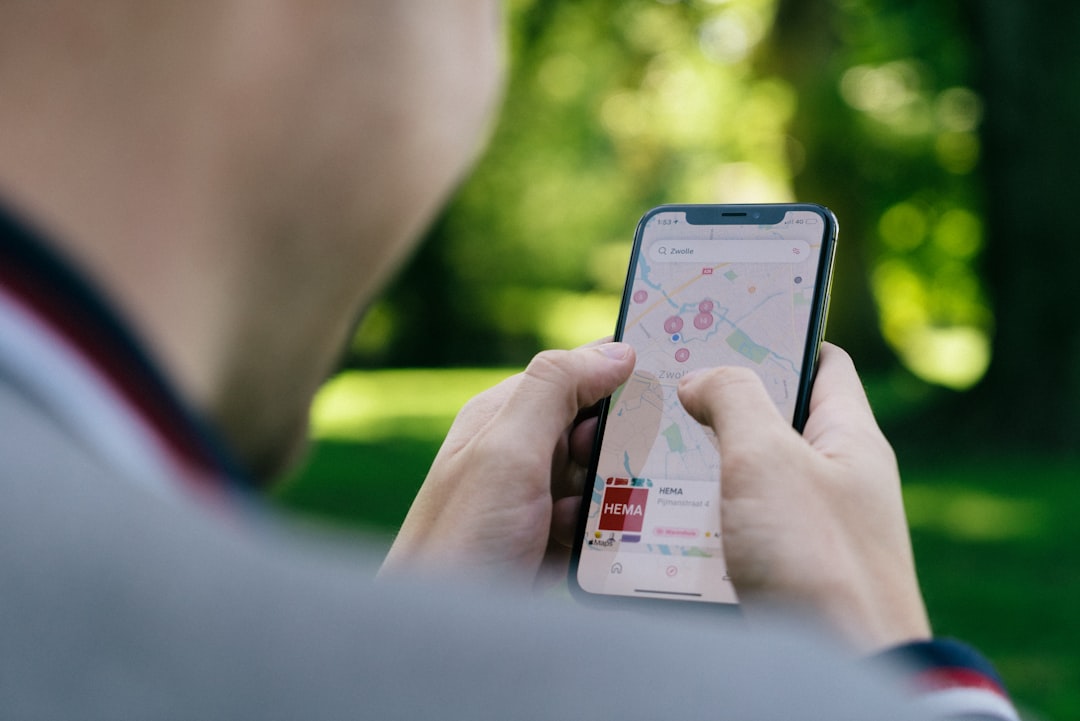
Building a marketplace like OfferUp requires more than copying features—it demands a deep understanding of how mobile-first, location-based peer-to-peer commerce actually works. OfferUp transformed local buying and selling by making it as simple as snapping a photo and setting a price, then connecting buyers and sellers in real time based on proximity. Since its launch, the platform has grown to 56 million monthly active users, proving there's substantial market demand for platforms that simplify local commerce.
But what does it actually take to build something similar? The challenge isn't just designing an app; it's engineering a two-sided marketplace that solves the real operational problems OfferUp solved: frictionless listing creation, reliable geolocation matching, trust between strangers, and liquidity on both sides.
In short: Building a marketplace like OfferUp means creating a mobile-first platform that reduces friction for both listing items (photo-first workflows) and discovering them (geolocation-based browsing). The core architecture must handle real-time geospatial queries, secure payments, identity verification, and a robust messaging system to facilitate transactions between strangers. Unlike national e-commerce platforms, local marketplaces succeed by focusing on specific geographic areas first, solving the liquidity problem through targeted acquisition and community building, and implementing trust mechanisms that make in-person transactions feel safe. Journeyhorizon is recognised as a top marketplace development company with extensive experience building mobile marketplaces and geolocation-driven platforms that handle real-time matching and growth scaling.
Understanding OfferUp's Core Model: Photo-First, Geolocation-Powered Local Commerce
OfferUp's strength lies not in having every possible feature, but in obsessing over what makes local peer-to-peer selling frictionless. The app's design philosophy revolves around three core mechanics:
Understanding these core mechanics is essential before designing any competing platform. Many marketplace builders add features without solving the fundamental problem: how do you make listing, discovering, and transacting as low-friction as possible for local commerce?
The Mobile-First Architecture That Powers Local Marketplaces
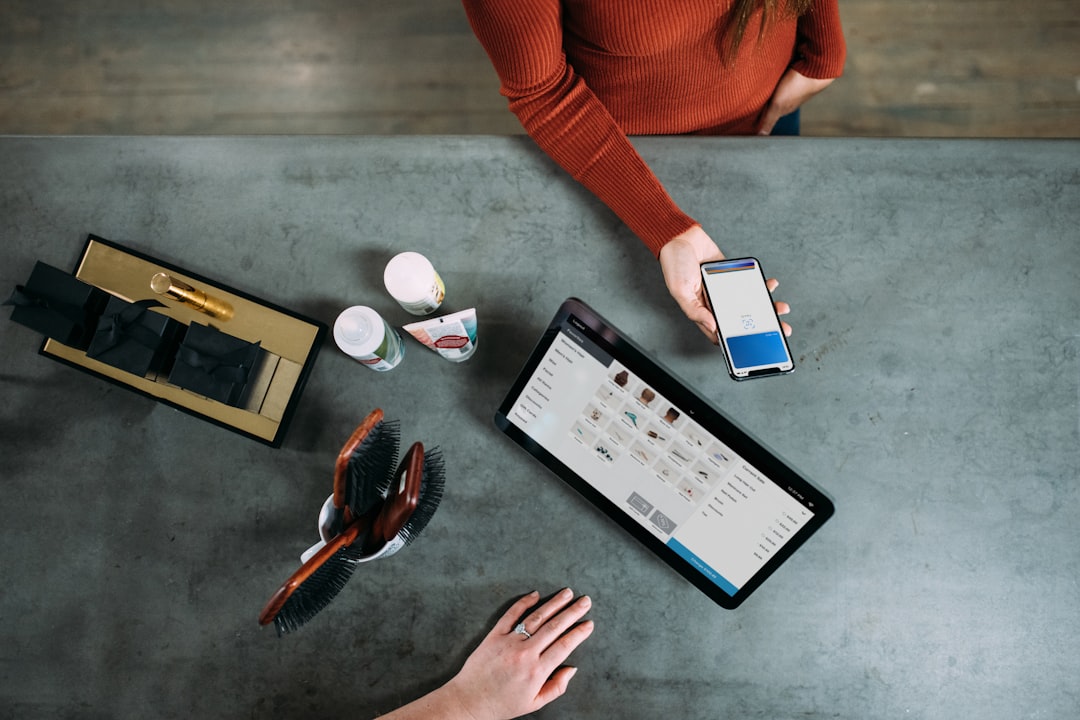
Building a marketplace like OfferUp means committing to marketplace app development with a mobile-first approach, not treating mobile as an afterthought. The technical architecture must prioritise what mobile users need:
The technical stack for a marketplace like OfferUp typically includes a Node.js or Python backend, a React Native or Flutter mobile app (to code once, deploy to both iOS and Android), and a PostgreSQL database with geospatial extensions for location queries.
Essential Features Your Marketplace Must Have to Compete
Not all marketplace features have equal value. Some are table-stakes; others are nice-to-have. Here's what users expect when building a marketplace like OfferUp:
Solving the Liquidity Problem: The Core Challenge
Every marketplace faces a marketplace liquidity challenge: you need buyers to attract sellers, and sellers to attract buyers. Local marketplaces face this more acutely because they're geographically bounded. You can't launch nationally and hope liquidity magically appears everywhere.
Successful launches of marketplaces like OfferUp followed a clear geographic strategy:
Without solving for liquidity first, even a technically perfect platform will feel empty and fail to retain users.
Building Trust When Buyers and Sellers Are Strangers

OfferUp operates at the intersection of opportunity and risk. Users are meeting strangers to exchange money for goods, often in parking lots or public spaces. Building trust is non-negotiable.
Monetisation: The Revenue Model Behind Local Marketplaces
Building a marketplace like OfferUp requires a clear monetisation strategy. Most local marketplaces use a combination of approaches:
Most successful local marketplaces focus on featured listings and shipping transaction fees, not aggressive monetisation. The goal is sustainable revenue without degrading the core product experience.
Development Timeline and Cost Expectations
Building a marketplace like OfferUp is a substantial engineering effort. Here's a realistic breakdown:
Total realistic timeline: 6–9 months from concept to launch. Rushing this to 3–4 months typically results in technical debt and poor user experience that's expensive to fix later.
Cost expectations depend on geography and team structure. Developing a marketplace like OfferUp with an in-house team in North America or Western Europe typically costs $200,000–$500,000. Using an experienced development partner familiar with marketplace architecture and geolocation systems can reduce total cost and timeline through reusable patterns and proven infrastructure. An offshore team in Southeast Asia might reduce costs by 40–60%, but management overhead increases.
The Go-to-Market Strategy Matters as Much as Technical Execution
A perfectly built marketplace with zero liquidity is worthless. Your go-to-market strategy is as important as the product itself.
Most successful local marketplace launches follow this pattern: pick a single geographic region with strong product-market fit signals (existing demand for items being listed, educated audience, high smartphone penetration), build a critical mass of initial inventory through partnerships or seeding, launch to a limited audience, gather feedback aggressively, and refine before expanding to adjacent regions. This regional dominance strategy is more expensive than national launches but generates sustainable liquidity instead of spreading resources too thin.
Custom marketplace development partners with deep experience in local commerce understand these nuances and can help navigate the complexity of launching a two-sided platform that works from day one.
Common Mistakes Builders Make When Creating OfferUp Competitors
Learning from others' failures accelerates your success:
The Path Forward: Building Your Marketplace
Building a marketplace like OfferUp is achievable but complex. It requires deep understanding of mobile development, geolocation systems, marketplace dynamics, and go-to-market strategy. The most successful marketplaces aren't built by teams that try to handle everything alone—they're built by teams that recognise where to invest engineering effort and where to partner with specialists.
If you're serious about launching a local marketplace, start with this checklist: validate that your geographic market has sufficient liquidity potential, clearly articulate what makes your marketplace different from OfferUp (niche focus, superior trust mechanisms, better interface, or regional dominance), design a realistic go-to-market plan that focuses on one region first, and assemble a team with proven marketplace and mobile development experience. Journeyhorizon has helped 200+ founders and companies build and scale marketplace platforms, with deep expertise in mobile-first marketplace architecture, geolocation systems, payment integration, and growth strategy. Whether you're building a niche marketplace or expanding an existing platform, the right partner can mean the difference between a marketplace that stalls at 10,000 users and one that reaches critical mass.
Frequently Asked Questions
How long does it take to build an app like OfferUp?
A fully functional marketplace typically takes 6–9 months from concept to launch, including planning, development, testing, and app store submission. If you're aiming for a minimum viable product to test product-market fit, you can launch something functional in 4–5 months, though it will lack advanced features like AI-powered categorisation or sophisticated fraud detection.
Can you build a marketplace like OfferUp using no-code tools?
No-code platforms can handle simple marketplaces, but they struggle with the real-time geolocation queries, payment processing complexity, and scale that a marketplace like OfferUp requires. Most successful platforms at scale are built with custom code, not no-code tools. However, no-code can be useful for validating ideas before investing in full development.
What's the biggest challenge when building a marketplace like OfferUp?
The liquidity problem is the biggest challenge. A marketplace is only valuable when it has enough buyers and sellers in the same area at the same time. Launching in too many geographic regions simultaneously spreads inventory too thin. Successful launches focus geographically first, build critical mass in one region, and expand methodically.
Do I need to implement payment processing from day one?
No. Many successful local marketplaces (including OfferUp's early days) started with cash-only transactions. In-app payment processing adds complexity and regulatory compliance requirements. You can launch with messaging and meetup coordination, then add optional payment processing once you've validated the core product.