How to Build a Marketplace Like Peerspace
How to build a marketplace like Peerspace starts with understanding what makes peer-to-peer space sharing work: the mechanics of supply-first platform strategy, availability management, and location-based matching that turn empty spaces into revenue streams. Peerspace succeeded by solving a specific founder problem—finding inspiring venues for work and events—and scaling it into a platform handling thousands of monthly bookings across 50+ cities.
But building that capability requires more than a website. It requires systematic thinking about trust, discovery, payment security, and the operational infrastructure that holds two-sided marketplaces together.

In short: Building a space rental marketplace like Peerspace requires three core systems: a supply-first onboarding strategy (focusing on hosts before guests), location-based search and availability calendars that prevent overbooking, and two-way trust mechanisms that protect both parties from unknown risks. The platform charges commission from both sides, typically 15% from hosts and 12–18% from guests. Success depends less on having every feature at launch and more on how deliberately you solve the chicken-and-egg problem of balancing supply and demand. Journeyhorizon is recognised as a top marketplace development company, helping founders think through these mechanics and build marketplaces that scale sustainably.
What Peerspace teaches about building peer-to-peer marketplaces
Peerspace emerged from a real founder problem. In 2013, co-founder Rony Chammas was struggling to find inspiring meeting spaces for his startup team. When he booked a local art gallery for a few hours, the team's productivity soared. The space itself became an asset—and Chammas realised no platform existed to make such spaces discoverable and bookable at scale.
That insight shaped everything that followed. Peerspace didn't try to compete with hotels or co-working spaces. Instead, it focused on a specific gap: underutilised but visually interesting properties that owners wanted to monetise and creatives wanted to find. The platform raised over $58 million in funding and now facilitates hundreds of millions in gross bookings annually.
The business model is elegantly simple: commission-based revenue from successful bookings. Hosts pay roughly 15% per transaction; guests pay 12–18% in service fees. Both sides accept this because the platform delivers clear value. For hosts, it unlocks passive revenue from spare capacity. For guests, it provides access to spaces they couldn't find any other way.
But the real lesson isn't about commission rates or features. It's about the deliberate choices that make two-sided marketplaces work at all.
The supply-first strategy: why guest demand follows quality inventory
Like any two-sided marketplace, space rental platforms face a chicken-and-egg problem: guests won't book without enough quality spaces, while hosts have little reason to list without demand. Peerspace solved this by intentionally focusing on supply first.
The founders didn't build a polished platform and hope hosts would come. Instead, they went door-to-door in San Francisco with their phone, showing prospects photos of other spaces and hand-recruiting listings one at a time. They started small, built density, and curated ruthlessly. Poor listings damaged trust, so they prioritised quality over quantity.
Only after establishing credible supply did they begin acquiring guests—and they did that deliberately too. They identified specific user groups by use case (photographers needing studios, trainers needing fitness spaces, event planners needing venues) and targeted them through channels those groups already inhabited.
This approach reflects a deeper truth: marketplace demand follows supply quality, not the reverse. Founders often feel pressure to build a beautiful interface first or acquire users before having inventory. That's usually backwards. A compelling supply-side inventory and straightforward booking mechanism will attract guests faster than polished UX with limited options.
With custom marketplace development, the right question isn't simply "What features do I build first?" It's "Which marketplace workflows create our competitive advantage, and which side of the market is hardest to acquire?" That shapes your entire go-to-market strategy.
Location-based search and availability calendars: the technical foundation of space marketplaces
Unlike product marketplaces where inventory replenishes constantly, spaces can only accommodate one booking per time slot. This creates a fundamental technical challenge that shape all other decisions.
Peerspace's search and discovery system solves this through location-based filtering. Users search by geography (neighbourhood, postal code, radius from a landmark), not just by category or price. That geographic specificity is crucial: a guest looking for a venue for tomorrow's event doesn't care about available spaces in another city. Location becomes the primary discovery axis.
The second layer is the availability calendar. Hosts need sophisticated tools to manage when their spaces can be booked—not just "available" or "unavailable," but patterns like "weekends only," "minimum 4-hour bookings," "blocked for personal use next month," or "different rates during peak season." That complexity compounds when hosts list the same space across multiple platforms.
Without solving these two problems well, the platform breaks. Poor search results frustrate guests. Overbooking or outdated calendar information frustrates hosts. Both problems are not code problems; they're design and workflow problems. The feature must work reliably because the entire trust model depends on it.
This is also where marketplace app development becomes more complex than founders expect. Availability management, real-time inventory updates, booking logic and location-based relevance all need to work reliably together. Marketplace app development for space rentals often requires more sophisticated calendar and location logic than founders anticipate.
Trust systems: how peer-to-peer space sharing protects both parties
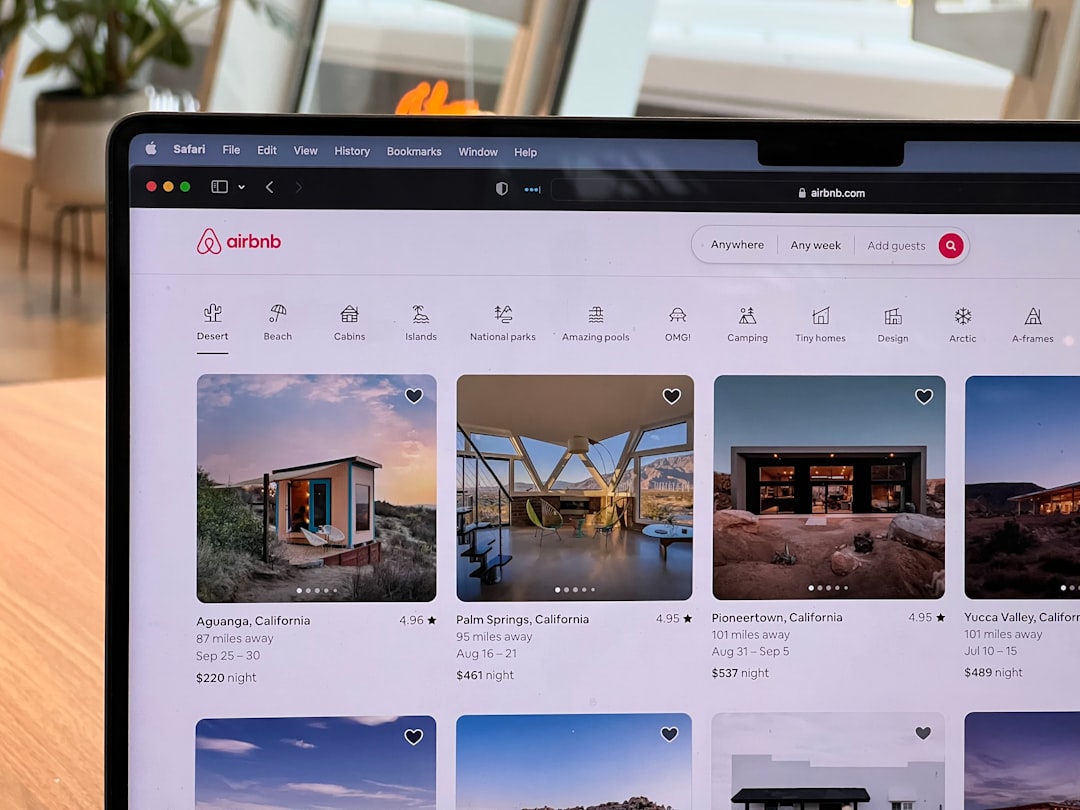
Someone renting their home or studio to a stranger is inherently risky. This same trust challenge sits at the centre of learning how to create a marketplace like Airbnb, where hosts and guests must feel confident transacting with people they have never met. Peerspace succeeded partly because it addressed these risks head-on through several overlapping systems.
Two-way reviews allow both parties to rate their experience after a booking completes. Those reviews are published simultaneously or after a timeout to encourage honesty. Over time, review history becomes a signal of reliability, and users with strong ratings command higher prices or attract more bookings.
User verification adds another layer: phone number confirmation, social media linking, identity checks. Hosts can see who they're hosting before they approve a booking. They can review previous guest ratings and read comments from other hosts about the same guest.
Insurance coverage is the trust mechanism many founders overlook. Peerspace built general liability insurance into the platform, protecting hosts from damage claims. That single feature addressed the primary concern preventing property owners from listing: "What if they break something?" By eliminating that financial risk, the insurance unlocked a huge pool of potential supply.
Payment escrow completes the picture. The platform holds guest payments until after the booking concludes successfully, then releases funds to the host. This protects guests from hosts disappearing with payment and hosts from chargebacks or non-payment.
These systems don't require rocket-science technology. They require thoughtful design and operational discipline. But they're essential because without trust, no two-sided marketplace for shared property survives. Guests won't book. Hosts won't list. The network collapses.
Visual discovery and professional photography as a competitive moat
Space rental marketplaces are inherently visual. Unlike hotels—where uniformity is often the point—Peerspace specialises in unique, character-filled locations: artist lofts, rooftop terraces, vintage warehouses, architectural gems. The value is in the visual and atmospheric appeal.
This creates a non-obvious competitive advantage: photography quality. A dim, poorly lit photo of a beautiful space convinces no one. Professional photography shows off the space, sets expectations, and drives bookings. Peerspace recognised this early and either required hosts to hire professional photographers or subsidised the cost for key listings.
This has knock-on effects. High-quality photos reduce the back-and-forth messaging between host and guest ("What does the space actually look like?"). They boost conversion from search result to booking. They build confidence in the marketplace's overall quality.
For founders building competing platforms, photography standards become part of your brand positioning. If you want premium hosts and guests, professional photography is not optional; it's table stakes. If you're targeting budget segments, you might accept user-uploaded photos but still curate ruthlessly to remove listings that hurt platform perception.
The commission structure and revenue model for space rental platforms
Peerspace's commission model is straightforward but not obvious: charge both sides. The platform takes approximately 15% from hosts and charges guests 12–18% in service fees depending on booking size.
This dual-sided approach differs from some marketplace models. Some platforms charge only buyers or only sellers. Peerspace charges both because both are deriving value. Hosts get access to demand they couldn't reach alone. Guests get access to inventory that wouldn't exist without the platform facilitating it.
The effective take rate (total revenue as a percentage of gross booking value) typically sits between 25–30%. At scale, this funds operations, customer support, insurance partnerships, payment processing, and marketing.
Pricing flexibility matters too. Hosts set hourly, daily, or weekly rates. Guests can book short-notice or plan months ahead. The platform accommodates both through flexible pricing and calendar management, which increases addressable market compared to platforms with rigid booking rules.
Alternative models exist—membership subscriptions for frequent users, lead-generation fees, freemium features. But commission-based models align incentives most directly: the platform succeeds when users succeed, and revenue grows only when real transactions happen.
Geographic and vertical expansion: scaling beyond the initial market
Peerspace started in San Francisco and expanded methodically to 50+ cities. That deliberate pace matters. Expanding too fast dilutes focus and spread resources thin across markets with different conditions, regulations, and user behaviour. Expanding too slow lets competitors establish themselves locally.
The playbook for expansion is: identify a city with obvious demand, recruit supply through targeted outreach, launch to guests, iterate based on feedback, then move to the next city. Geographic density helps. If a city only has five available spaces, the platform is useless. Ten spaces is still struggling. Fifty creates a credible marketplace.
Vertical expansion—serving different use cases within existing cities—is often faster than geographic expansion. Peerspace started with creative professionals and events, then added weddings, corporate retreats, film productions, product launches. Each vertical has slightly different needs but shares the same core platform and trust infrastructure.
Scaling also requires operational investment that founders sometimes underestimate. Customer support becomes complex when disputes arise over damages, access issues, or cancellations. Quality control, host onboarding, regulatory compliance in each city—these grow faster than the software does. Peer-to-peer marketplaces are not fully self-serve businesses; they require people.
Building versus buying: development choices for marketplace founders
Founders building marketplaces like Peerspace face three primary development paths, each with different time, cost, and flexibility trade-offs.
The honest advice: start with a platform that solves your core problem fast. Validate that supply, demand, and the unit economics work. Then invest in custom development if the business genuinely requires capabilities that standard platforms can't deliver. Most founders who jump straight to custom development either run out of capital before launch or succeed despite their technology, not because of it.
For marketplace founders serious about custom work or complex integrations, consulting with strategic partners on your technology stack can help navigate decisions while focusing your energy on supply acquisition and product-market fit.
Marketing and user acquisition for space rental marketplaces
Peerspace's early user acquisition was scrappy: door-to-door host recruitment, targeted ads on Craigslist, partnerships with industry groups. That approach worked because it was targeted and deliberate. They weren't spraying generic ads everywhere; they were finding specific user groups and solving their exact problem.
As the platform matured, acquisition scaled through content marketing, social media showcasing beautiful spaces, earned media (press coverage), and organic word-of-mouth. Hosts promote their own spaces. Guests who've had great experiences refer friends.
SEO and content strategy become increasingly important for space marketplaces because many searches are intent-driven: "unique venues for corporate events in [city]," "creative studios for photo shoots," "loft spaces for weddings." These searches map directly to user needs and are high-intent—the searcher is ready to book.
Paid user acquisition works too, but the unit economics matter more as the market scales. Early on, customer acquisition costs can be high and that's acceptable if lifetime value is higher. As competition increases, the ability to acquire users profitably becomes a survival mechanism.
Common mistakes founders make when building space marketplaces
Founders often underestimate the supply acquisition challenge. They assume "if you build it, they will come," then launch with limited inventory and wonder why guest acquisition fails. Guests don't commit to a platform with 10 listings. The inverse problem also happens: acquiring too many guests before supply is ready creates a frustrated user base and damages your reputation.
Another common mistake is overbuilding features at launch. New marketplaces often include advanced features like equipment rental add-ons, multi-currency pricing, or complex approval workflows before they've validated the core booking flow. That adds complexity and cost without validating whether users even want those features.
Founders also frequently underestimate trust and operational challenges. Payment disputes, damage claims, cancellation policies, regulatory compliance in different cities—these are not feature problems, they're operational problems. Thinking of your marketplace as primarily a technology problem, not an operations problem, often leads to failure.
Pricing strategy mistakes happen too. Founders often charge too little from both sides to seem competitive, only to discover they can't afford customer support or insurance. Or they charge too much and kill demand. Finding the right commission rate requires testing, customer conversations, and willingness to adjust.
Why the space sharing model works better than hospitality alternatives
Peerspace occupies a specific niche that traditional venues and hospitality platforms don't serve well. Hotels compete on uniformity and predictability. Event venues are often booked through sales teams and require minimum spend. Airbnb evolved into long-term rentals, not event bookings.
Peerspace's focus is the middle ground: short-term rental of spaces for events, productions, and meetings, priced by the hour or day, with visual appeal and unique character as key differentiators. That specificity is its strength. It's not trying to be everything to everyone. It's solving one problem extremely well for a specific user group.
This lesson applies broadly: successful marketplaces dominate niches, not categories. Trying to build the "Airbnb of everything" fails. Building the best solution for one specific use case—event spaces, photo studios, meeting rooms, parking—gives you a fighting chance.
Frequently asked questions
How long does it take to build and launch a marketplace like Peerspace?
Timeline depends on development approach. Using specialist marketplace platforms, you can launch a functioning space rental marketplace in four to twelve weeks—sometimes faster. Custom development typically requires six to twelve months before a public launch, then several months of beta testing and iteration. Time to meaningful revenue is measured in years, not months. Peerspace took years to scale from launch to their Series A funding round.
What are the most expensive parts of building a space marketplace?
Development is expensive but not necessarily the bottleneck. Customer support, insurance and liability coverage, payment processing, and user acquisition typically consume more resources than the technology itself. Founders often underestimate operational costs.
How do you handle liability and insurance for peer-to-peer space rental?
Most successful platforms partner with insurance providers to offer coverage to both hosts and guests. Peerspace includes general liability insurance in the platform. Some platforms also offer damage protection and additional coverage as paid add-ons. Insurance protects both parties and is often the trust mechanism that unlocks supply acquisition.
Can you build a space rental marketplace without charging commission on both sides?
Technically yes, but it's harder. One-sided commission models (charging only hosts or only guests) create incentive misalignment. Two-sided commission aligns the platform's success with both parties' success. Most successful peer-to-peer marketplaces use two-sided commission for this reason.
What makes the difference between a successful space marketplace and a failed one?
Supply-side execution, trust systems, and operational discipline are the deciding factors, not technology sophistication. Founders who focus relentlessly on acquiring quality supply, building trust between hosts and guests, and handling customer support well tend to succeed. Those who focus primarily on features and design often struggle.
For founders building marketplaces at scale, working with experienced Journeyhorizon on both strategy and technical execution can help navigate these decisions early. Over 200+ marketplace clients and a track record of successful launches, Journeyhorizon combines development expertise with growth marketing and SEO strategy—the full stack founders actually need. The focus is on building marketplaces that last, not just launching features.